


The weather outside is terrible. Your toddler is full of energy. And you’ve already exhausted your three go-to activities by 9 am. Sound familiar? Most indoor activity lists give you ideas. What they rarely give you is enough of them, organized in a way that actually makes sense for your day.
Searches for screen-free activities are up 200% year over year, which tells you two things: more parents are looking, and most of them still haven’t found what they need.
This guide fixes that. 40+ indoor toddler activities, spread across every kind of day and every kind of mood, using stuff you already own.
Here’s what’s inside:
- Quick, no-prep activities you can pull out in under two minutes
- Sensory and messy play setups worth the cleanup
- Creative and art-based activities that build real skills
- Indoor movement and gross motor activities for burning energy inside
- Learning through play: educational activities disguised as fun
- How to match the activity to your toddler’s mood, not just their age
At Life Learning Academy in Miramar, FL, this kind of intentional, hands-on play is built into every single day across their toddler and preschool programs. But on the days your little one is home with you, this list has you covered.
Quick Indoor Activities: Zero Prep
Some days, you have zero bandwidth for setup. That’s exactly what this section is for. These eight indoor toddler activities need nothing more than stuff already in your home and about 90 seconds of your attention to get going.
The Grab-and-Go Starter List
- Pom pom drop: Tape a few cardboard tubes to the wall at your toddler’s height and let them drop pom poms through. Gravity does the entertaining.
- Sock ball toss: Roll up a few socks into balls, grab a laundry basket, and you’ve got a game with real gross motor skill practice built in.
- Pot and wooden spoon drum kit: Pull out a few pots, flip them over, hand over a wooden spoon, and let the concert begin. Rhythm awareness, cause-and-effect, and so much fun.
- Tape shape floor game: Stick painter’s tape on the floor in basic shapes. Call one out and watch your little one run to it. Learning shapes has never required less effort.
- Popsicle stick drop: Cut a slit in a plastic container lid and let them post popsicle sticks through one at a time. Quietly absorbing for fine motor skills.
- Muffin tin sort: Toss in pom poms, dried pasta, or small toys, and let them sort by color or type into each cup.
- Book parade: Stack five or six books on the floor and let them “read” independently, picking favorites and flipping through at their own pace.
- Pillow balance beam: Line couch cushions across the floor in a row. Walking across them works on balance and coordination without a single piece of equipment.
Keep a small bin near your couch stocked with pom poms, painter’s tape, popsicle sticks, and a muffin tin. On a hard day, you can be set up in under a minute without even thinking about it.
Sensory and Messy Play Worth the Cleanup
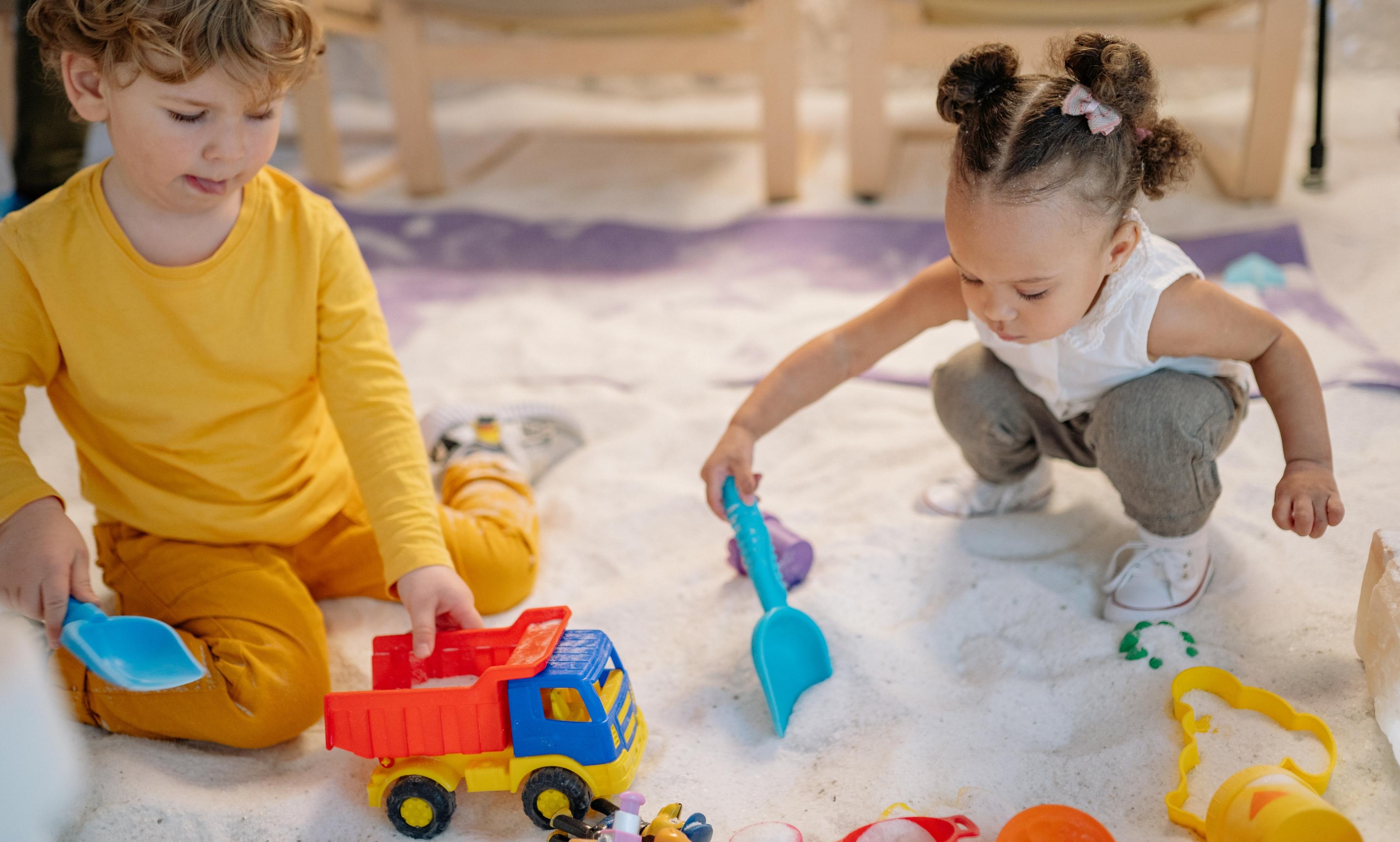
Yes, it gets messy. No, it’s not optional. Sensory play is one of the highest-value indoor activities for toddlers because it builds focus, language, and fine motor skills all at once. The cleanup takes five minutes. The developmental payoff lasts years.
8 Sensory Setups to Try
- Classic sensory bin: Fill a plastic bin with rice, dried pasta, or oats. Add scoops, cups, and small toy animals. Toddlers love burying objects and digging them back out. Rotate what’s inside to keep it feeling new week after week.
- Colored water pouring station: Fill three or four cups with water and add food coloring to each. A few drops per cup is enough. Give your child an empty cup and let them mix and pour. Blue plus yellow equals green, and that moment of discovery is a big hit every single time.
- Baking soda and vinegar fizz: Spread baking soda in a shallow tray. Fill a small cup with colored vinegar and let your toddler drip it in using a spoon or dropper. The fizzing reaction gets them every time and quietly teaches early science thinking.
- Soapy water wash station: Fill a plastic bin with soapy water and toss in toy animals, plastic cups, or spoons. Let them “wash” everything. It’s a favorite activity that keeps kids busy for a surprisingly long time.
- Play-Doh + loose parts: Set out Play-Doh alongside pipe cleaners, popsicle sticks, and small objects. No instructions needed. Toddlers love pressing, poking, and building freely. This is also a great way to develop hand strength for future writing.
- Ice excavation: Freeze small toy animals or puzzle pieces into a block of ice overnight. Hand your child a spoon and a cup of warm water, and let them chip and melt their treasures free.
- Shaving cream table painting: Spread shaving cream across a table surface and let them draw, swipe, and create patterns with their fingers. Easy to wipe clean, and genuinely messy in the best way.
- Bath-time sensory play: The bath is an underrated sensory bin. Toss in measuring cups, a few drops of food coloring, or bath-safe foam letters. Bath becomes a full activity instead of just a routine.
Mess management tip:An old shower curtain laid on the floor under the sensory bin saves the floor and your sanity. Save it between sessions and reuse it all year long.
Creative Art Activities That Build Real Skills
Art activities aren’t just about keeping kids busy. Every time your child paints, draws, tears paper, or sticks something down, they’re building hand-eye coordination, creativity, and the fine motor control they’ll need for writing. The art doesn’t need to look like anything. The process is the whole point.
9 Art-Based Indoor Activities for Toddlers
- Tape resist painting: Stick painter’s tape across a sheet of paper in random lines or shapes. Let your child paint over everything, then peel the tape while the paint is still wet. What’s underneath is always awesome.
- Cardboard box town: Grab a cardboard box (or several), let your child draw windows, doors, and roads across them, then arrange them into a neighborhood. Add toy animals or figures to populate the town.
- Sponge stamping: Cut kitchen sponges into basic shapes and let them dip and stamp onto paper. Toddlers love the repetition, and you can talk about shapes and colors as they create.
- Pipe cleaner sculptures: Hand over a bundle of pipe cleaners and a block of Play-Doh as a base. They’ll bend, twist, and build without needing any guidance. A truly open-ended art activity that keeps an active toddler focused.
- Sticker collage: Reusable stickers or basic dot stickers on a sheet of paper or cardboard. Let them fill the whole page. It’s a favorite thing for toddlers who aren’t ready for paintbrushes yet, and it builds precision and patience.
- Crayon rubbing: Place a textured object under paper (a leaf, a coin, a plastic straw, a piece of cardboard) and let them rub a crayon over it. The hidden texture appearing beneath the crayon is genuinely exciting for kids.
- Tear and paste collage: Hand over old magazines, colored paper scraps, and a glue stick. Tearing paper is great for fine motor development, and gluing everything down feels like real art to a toddler.
- Footprint and handprint animals: Paint their hand or foot, press it onto paper, and then draw details together to turn it into an animal. A classic for a reason, and the results make great seasonal décor or gifts around the holidays.
- Cardboard box art studio: Open a large cardboard box flat on the floor and tape it down. Hand over washable markers or paint, and let them draw across the whole surface. Big paper, big movements, big creativity.
For more great ideas on raising curious, creative kids, check out LLA’s post on cultivating curiosity beyond the classroom.
Indoor Movement for Burning Real Energy
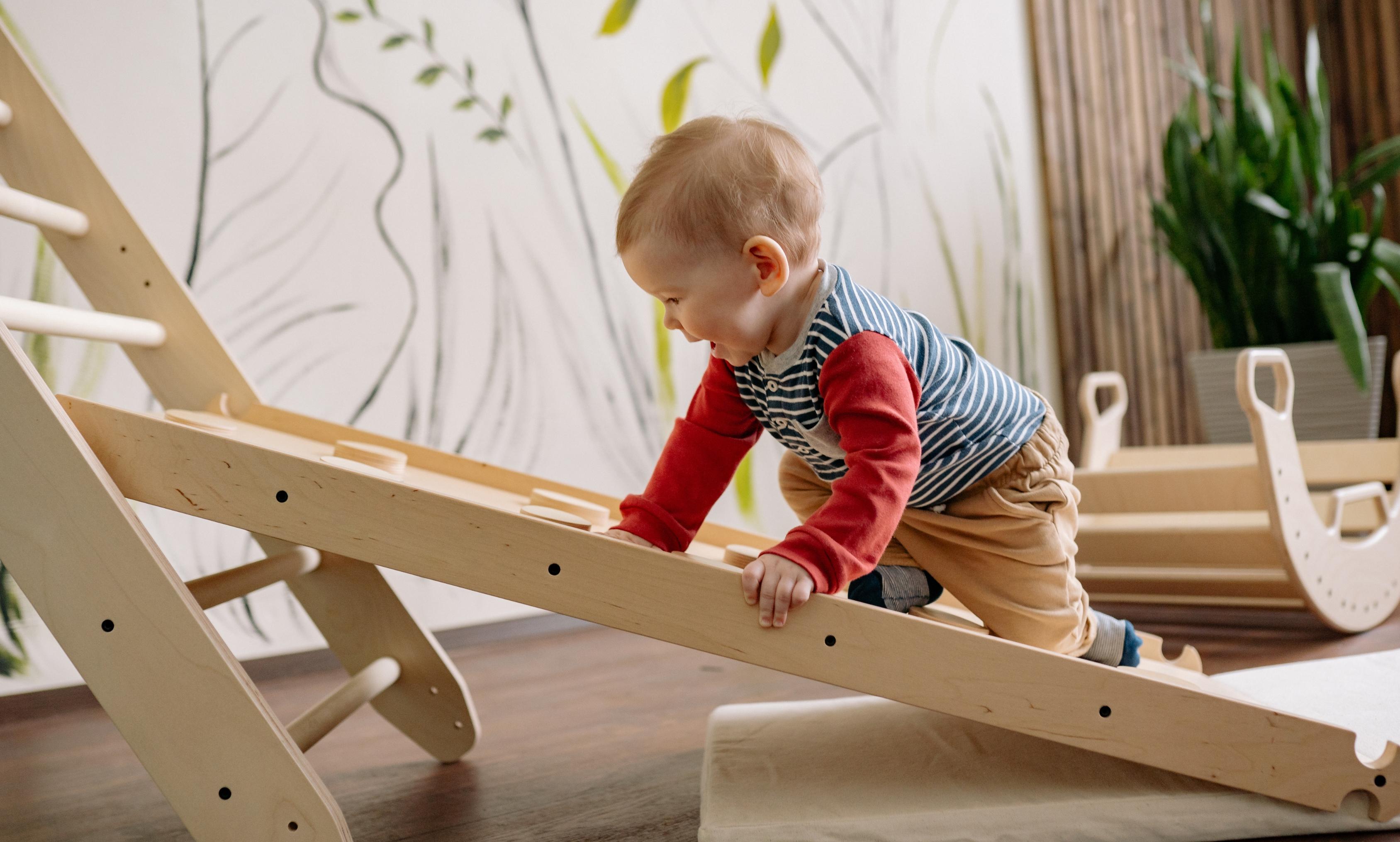
A stuck inside day doesn’t have to mean a low-energy day. Toddlers need to move. When they don’t get it, everyone pays the price by afternoon. These indoor activities for toddlers bring the gross motor work inside without destroying the house.
10 Indoor Movement Activities
- Painter’s tape obstacle course: Use tape on the floor to create a course: lines to balance on, squares to jump into, and zigzags to follow. Change the layout every few days to keep it fresh.
- Pool noodle jousting tunnel: Prop pool noodles between chairs to create low arches that your toddler has to duck and crawl through. Add a few and make it a whole course.
- Animal walk parade: Call out an animal and move like it together across the room: bear crawl, bunny hop, crab walk, snake slither. Kids who love animals will do this for much longer than you’d expect.
- Balloon volleyball: Blow up a balloon, and the rule is simple: don’t let it touch the floor. It works on reaction time, coordination, and burns more energy than it looks like it should.
- Sock skating: Put socks on a hard floor and let them slide. Bonus: they’re basically mopping as they go.
- Pillow jump course: Scatter couch cushions and pillows across the floor. The game is to get from one side of the room to the other without touching the “lava.”
- Freeze dance: Play music, dance freely, and when the music stops, everyone freezes. Music awareness, body control, and pure joy in one activity.
- Cardboard box tunnel: Open both ends of a large cardboard box and let them crawl through repeatedly. Simple, physical, and basically an awesome toddler gym in cardboard form.
- Indoor bowling: Line up plastic bottles, toilet paper rolls, or stacked blocks at one end of a hallway. Roll a soft ball from the other end. Reset, repeat.
- Laundry basket basketball: Toss rolled-up socks or soft balls into a laundry basket from different distances. Increase the challenge as they get more confident.
Pro tip:Rotate between calm activities and movement activities throughout the day. A busy toddler who gets regular movement breaks is far easier to engage during quieter sit-down activities.
If you’re looking for ways to extend that energy output beyond the house, check out LLA’s after-school programs for structured movement and play after hours.
Learning Through Play: Skills in Disguise
The best educational activities for toddlers don’t feel educational at all. They feel like playing. Here’s the thing parents often don’t realize: when your child is stacking blocks, sorting snacks, or matching cards, they’re doing real academic work. It just doesn’t look like a worksheet.
10 Educational Activities Disguised as Fun
- Snack sorting: Pour a bowl of mixed snacks (cereal, crackers, raisins) and ask your child to sort them before eating. Math, color recognition, and a reward built right in. Toddlers love this one.
- Playing card match: Lay out four to six playing cards face up. Pull the matching cards from the deck and have them find the pair. A simple game with real memory and pattern-recognition work underneath.
- Name that sound: Sit together and take turns making sounds: a wooden spoon tapping a cup, crinkling paper, snapping fingers. The other person has to guess what made the noise. Builds listening and cognitive focus.
- Color scavenger hunt: Call out a color and race to find five objects in the house that match. No materials needed. Endless rounds. Real vocabulary building every single time.
- Counting snacks: Before giving snacks, count them out loud together one by one. “One cracker, two crackers…” Repetition across meals makes number concepts actually stick.
- Shape hunt: Draw a simple shape on paper and send them around the house to find objects that match it. Circles, squares, rectangles. This is one of the great ideas for kids who need to move while they learn.
- Story retelling: After reading a book, close it and ask: “What happened first? Then what?” Comprehension, sequencing, and communication skills all in a two-minute conversation.
- Baking soda letter tray: Spread baking soda in a tray and use a finger or plastic straw to draw letters or shapes. Brush it smooth and draw again. Zero waste, totally reusable, and weirdly satisfying for kids and parents alike.
- Puzzle progression: Start with two or three puzzle pieces and work up gradually. Don’t rush. Let them sit with the challenge. Spatial reasoning develops in those moments of figuring it out.
- Pretend grocery store: Line up food items or empty boxes on a low shelf and give your child a bag. They “shop,” you “pay,” and you talk through each item. Language, imagination, and early math concepts all rolled into one.
Reducing screen time becomes much easier when learning activities feel this engaging. For more on what your preschooler should know at each stage, LLA’s blog has helpful guidance for parents planning ahead.
Match the Activity to the Mood
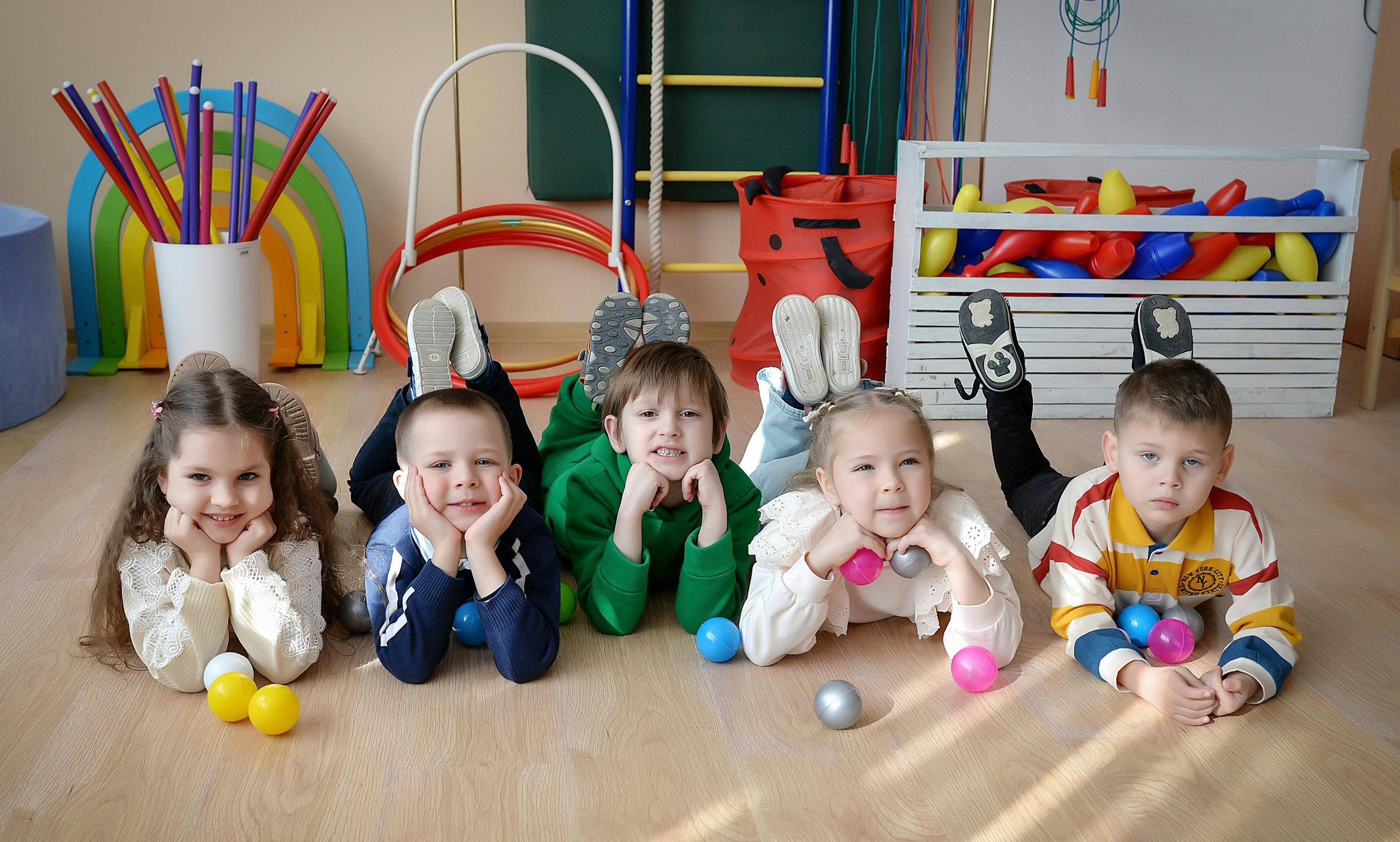
Age matters. But mood? Mood matters more. A 2-year-old who didn’t nap needs something completely different than a 2-year-old who woke up rested and curious. Here’s how to read the room and pick the right activity instead of forcing the wrong one.
The Mood-to-Activity Match Guide
| Toddler’s Mood | What They Need | Best Activity Type |
|---|---|---|
| Cranky, overtired | Calm, low-stimulation | Sensory bin, Play-Doh, quiet book time |
| High energy, restless | Movement outlet | Indoor obstacle course, freeze dance, balloon volleyball |
| Curious, engaged | Open-ended exploration | Art activities, baking soda experiments, sensory play |
| Clingy, wants connection | Side-by-side activity | Cooking together, pretend play, story retelling |
| Bored but not tired | Novelty and challenge | New sensory bin materials, a cardboard box setup, a simple game |
Reading the Signals
Toddlers who are stuck inside all day cycle through moods faster than usual. Watch for these cues:
- Throwing or dumping things: They need movement, not a sit-down activity
- Bringing you a book repeatedly: They want connection and language input
- Wandering without engaging: They need novelty, try a new material or setup they haven’t seen in a while
- Intense focus on one object: Don’t interrupt it, build around it
For Older Kids in the Mix
If you’ve got older kids at home too, the same activities scale up easily. Pipe cleaner sculptures become more complex. The cardboard box town gets more detailed. Baking soda experiments get more intentional. Let the older child lead and the toddler follow. It’s one of the most natural learning setups there is, and it saves parents from running two separate activity tracks at the same time.
There’s a reason the teachers at Life Learning Academy are trained to read each child’s state before choosing an activity. It’s not about sticking to a rigid plan. It’s about meeting your little one where they actually are.
If you hope that kind of thoughtful, responsive approach is part of your child’s daily life, our programs are worth exploring. You can also read about why after-school programs matter for full-day structure beyond the home.
Every Stuck-Inside Day Gets Better at Life Learning Academy
Being stuck inside doesn’t have to mean a hard day. With the right activities in your back pocket, even a cold, rainy Tuesday can feel like a genuinely good one for your toddler and for you.
Key takeaways to save:
- No-prep activities work just as well as elaborate setups, keep a small bin stocked and ready
- Sensory and messy play delivers the highest developmental return per minute of cleanup
- Art activities build fine motor skills and creativity without needing to look Pinterest-worthy
- Indoor movement is non-negotiable; toddlers who move learn better
- Educational activities work best when they feel like play, not lessons
- Match the activity to your toddler’s mood, not just their age
On the days when home activities feel like too much to manage alone, Life Learning Academy in Miramar gives your little one a full day of exactly this: hands-on, intentional, screen-free learning with teachers who genuinely love what they do. Their toddler and preschool programs are open for tours anytime you’re ready to take a look.
FAQs
How to entertain a 2 year old indoors at home?
Rotate through sensory bins, painter’s tape games, Play-Doh, and simple sorting activities using household materials. The key is novelty. Swap out materials every few days so your little one stays excited without needing anything new from the store. This post shares 40+ suggestions to keep you stocked for weeks.
What are good indoor activities for active toddlers?
Active toddlers need movement built into their indoor activities. Balloon volleyball, pillow lava courses, freeze dance, and cardboard box tunnels are all great for burning energy inside. If outdoor activities aren’t an option due to weather or anything else keeping the family stuck inside, these work just as well for getting the wiggles out.
What is the 80 20 rule for toddlers?
The 80/20 rule for toddlers suggests that 80% of their play should be child-led and unstructured, with only 20% guided by a parent or caregiver. In practice, that means setting up an activity, stepping back, and letting your child explore it on their own terms. For most kids ages 1-3, less direction leads to longer, more focused engagement.
What to do with a 3 year old indoors?
Three-year-olds are ready for more structured indoor activities for toddlers: matching games, pretend grocery stores, simple art projects, baking soda experiments, and storytelling. They can also handle more ideas layered into one activity, like a cardboard box town with toy animals and drawing. If you need more ideas beyond this list, LLA’s blog has additional suggestions for parents and caregivers looking for age-appropriate, screen-free play.


