


You finally got them down. Then 2 a.m. hits, and so does the crying. What if the iPad that “calmed” them at dinner is the very thing stealing their sleep? One study found that for every minute of touchscreen use, 13-month-olds lost roughly a minute of nighttime sleep.
We’ll break down:
- How screens disrupt toddler sleep, biologically
- Why tablets beat TVs at wrecking bedtime
- The “screens calm them” trap parents fall into
- Age-by-age screen guidelines that matter
- Tonight’s better swaps for a wind-down
At Life Learning Academy in Miramar, we watch well-rested kids thrive every day. Sleep and learning go hand in hand, so let’s protect both.
How Screens Disrupt Toddler Sleep, Biologically
Screens don’t just “overstimulate.” They hijack two separate systems in your toddler’s body at the same time. Evening screen use disrupts sleep through two mechanisms that operate simultaneously and reinforce each other. Knowing both is what separates a quick fix from a real one.
The light pathway
That glow has a chemical job to do, and it’s not on your side. Screen devices emit blue light, which suppresses melatonin, the hormone that promotes drowsiness. Less melatonin means a brain that refuses to clock out.
And toddlers get hit harder than you do. Blue-enriched LED lighting has a greater impact on melatonin suppression in children than in adults. Their young eyes simply let more of that light through.
The arousal pathway
The second hit is mental. Engaging content activates cognitive and emotional arousal, a state physiologically incompatible with the calm required for sleep onset. Their little body is sprinting when it should be slowing down.
This is the same arousal trap behind another bedtime myth. Parents blame the cookie, but sugar isn’t the real culprit behind hyper behavior either. Excitement is.
| Pathway | What it does | Why do toddlers feel it more |
|---|---|---|
| Light | Suppresses melatonin | Eyes absorb more blue light |
| Arousal | Triggers alertness | Weaker self-regulation skills |
A solution that only addresses blue light, like blue-light glasses, without addressing arousal, may provide less benefit than stopping screens entirely.
Pro tip: Dimming the screen helps the light side. It does nothing for the arousal side. To fix both, you have to power down, not just brighten down.
In our preschool program, we lean on calm, hands-on play for exactly this reason. A settled nervous system sleeps. A revved-up one fights it.
Why Tablets Beat TVs at Bedtime
Not all screens are equal offenders. A TV across the room and a tablet two inches from the face hit your child differently, and the small screen wins the race to the bottom every time.
Distance is the first reason. Tablets and smartphones suppress melatonin more than TVs because the screen, and that blue light, sits closer to the face. Closer light means a bigger dose of the stuff that delays sleep.
Then there’s interactivity, which is the sneakier problem. A show plays whether your toddler taps or not. A game does not. One study found that just 30 minutes of computer use or gaming caused disturbed sleep and daytime fatigue, compared to 2 hours or more of TV needed for similar effects.
| Factor | Television | Tablet or phone |
|---|---|---|
| Light exposure | Farther from eyes | Inches from the face |
| Engagement | Passive viewing | Interactive, reward-driven |
| Parent control | Easy to see and switch off | Easy to hide under blankets |
| Sleep impact | Real, but slower | Faster and stronger |
The portability makes it worse. A TV stays in the living room. A tablet follows your child into the bedroom, where it quietly eats into sleep duration long after lights-out.
Pro tip: If you allow any evening screen, make it the biggest, farthest one in the house. A wall-mounted TV across the room beats a handheld device in your toddler’s lap. Not perfect, but a smarter trade.
This is also why those addictive app loops matter. Some apps use reward systems that make children want just one more round, which raises the risk of addictive patterns. One more round becomes one more hour of lost rest.
The “Screens Calm Them” Trap
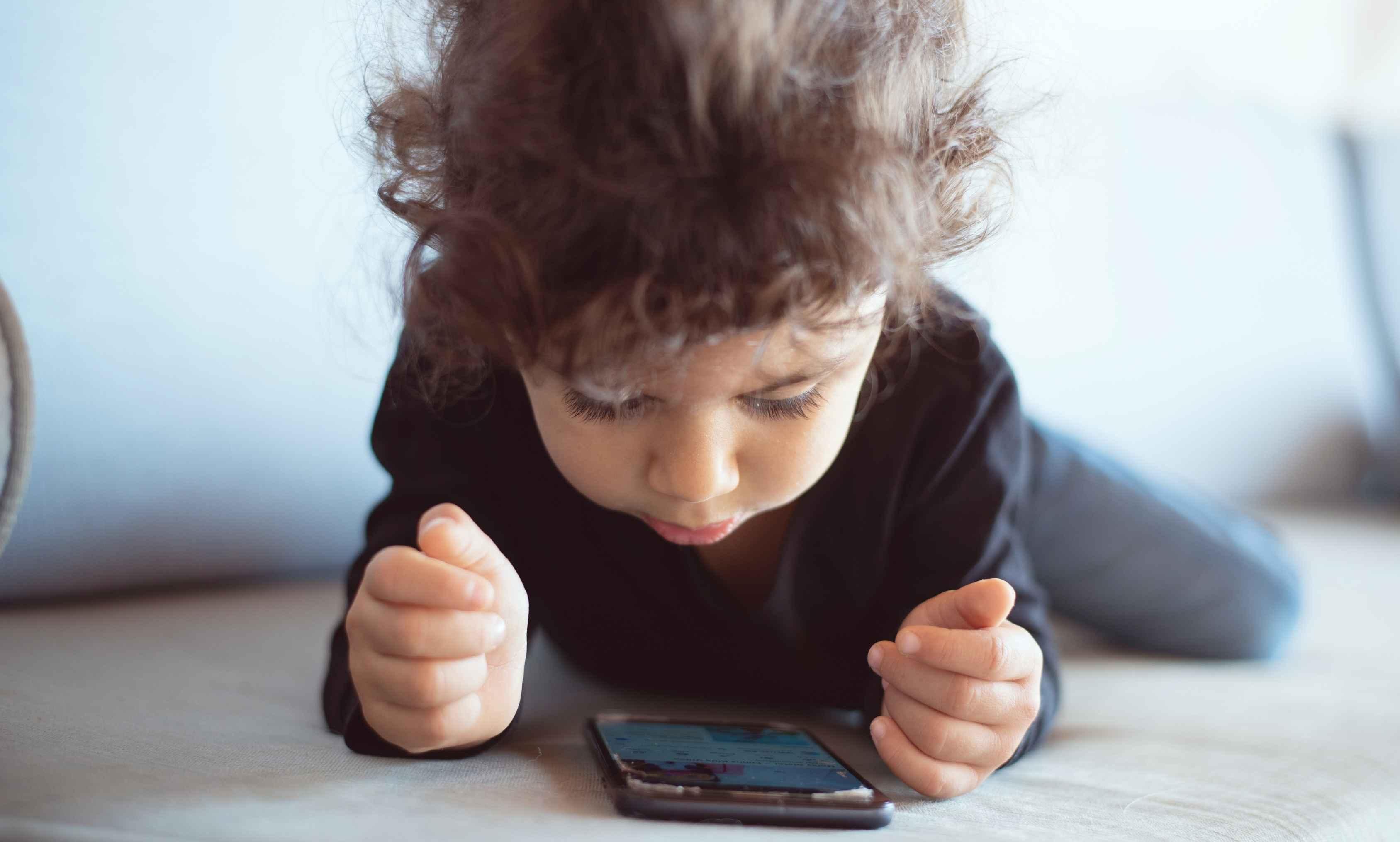
The tablet that quiets the meltdown tonight may be feeding the meltdowns tomorrow. We reach for it because it works in the moment. That short-term win carries a long-term cost.
The research is blunt on this. Increased device use was associated with heightened emotional reactivity after three and six months of follow-up, particularly among boys. The kids who got screens to settle down became harder to settle down.
It becomes a loop you can’t easily exit:
- Your toddler melts down, so you hand over a device
- The screen distracts, but teaches no coping skill
- The next big feeling hits with even less self-control
- You reach for the screen again, and the cycle tightens
Using a distractor like a mobile device doesn’t teach a skill, it just distracts the child away from the feeling. And a child who never practices calming down struggles to do it at bedtime, when calming down is the whole job.
What works instead is teaching the skill in the moment. Pediatric experts encourage alternative calming approaches like sensory techniques, naming the emotion, or offering replacement behaviors. This is the daily, patient work of emotional regulation, and it pays off in mood, focus, and sleep.
Pro tip: Build a “calm-down kit” your toddler can reach for: a soft toy, a picture book, a squishy ball. Name what they feel out loud. “You’re frustrated the tower fell.” Naming the feeling does what the screen never will.
We see this play out in our classrooms daily. A child who learns to self-soothe at age three carries that skill into every hard night for years.
Age-by-Age Screen Guidelines That Matter
Parents always ask us the same thing: how much is too much. The answer shifted recently, so let’s get current. In 2026, the AAP released new guidelines that move away from strict time limits toward a more individualized approach. Quality and context now matter as much as the clock.
That said, the age-based floor still holds. Here’s the practical breakdown:
| Age | Recommended screen use | Bedtime rule |
|---|---|---|
| Under 18 months | None, except video calls | Screens out of the bedroom |
| 18 to 24 months | High-quality content, co-viewed only | No screens near sleep |
| 2 to 5 years | About 1 hour/day of quality content | Power down before wind-down |
A few principles travel across every age:
- Co-view when you can. At this age, parents need to co-view and engage with their child during media use. Watching together turns passive screen time into shared family time.
- Protect the hour before bedtime. The AAP advises avoiding screens for at least an hour before bed to support healthy sleep.
- Keep bedrooms device-free. Device-free bedrooms and mealtimes help keep routines healthy. No phones, tablets, or gaming systems where your child sleeps.
The bigger point is balance. Screens shouldn’t replace sleep, physical activity, family time, or free play. When screens crowd those out, that’s when you see the negative effects on a child’s development, from school readiness to emotional well-being.
Pro tip: Skip the daily countdown and build a family media plan instead. Decide your screen-free zones and times once, write them down, and the rest of the week runs on autopilot. Predictable beats negotiable.
Wondering what well-spent, screen-free hours look like for this age? Our toddler learning activities guide is packed with options that build skills no app can.
The Bigger Picture on Sleep Health
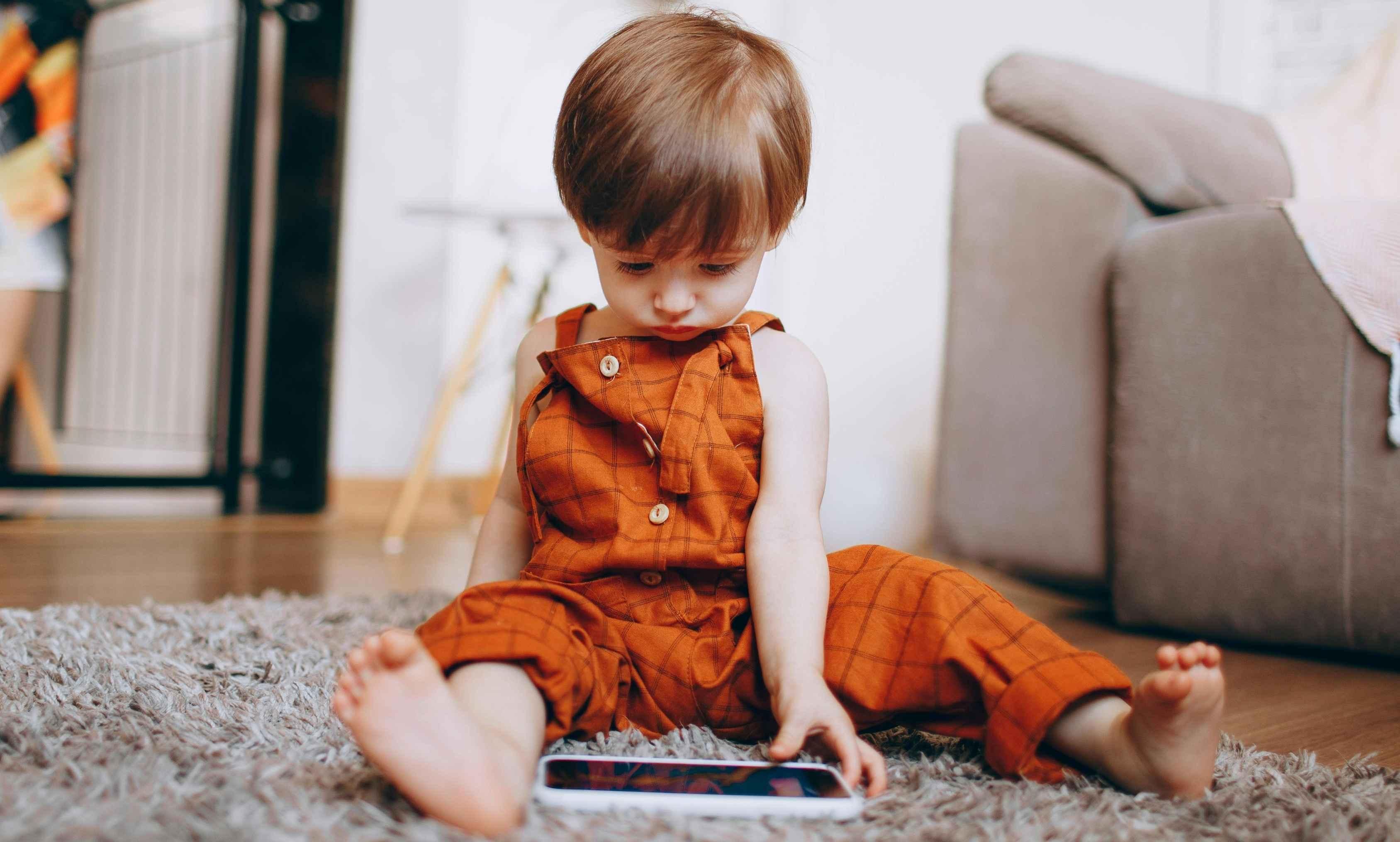
Lost sleep isn’t just a rough morning. It compounds. The research on screen time and sleep health has grown fast, and the picture it paints reaches well beyond one cranky night.
The dose matters more than parents think. Compared with children getting under an hour of screen time, the odds of difficulty falling asleep climbed to 1.43 for 1 to 2 hours, 1.89 for 3 to 4 hours, and 3.21 for over 4 hours. More screens, less rest, in a steady climb.
Across the body of sleep research, the pattern barely wavers. In a recent literature review, 90% of studies found an association between screen media use and delayed bedtime or decreased total sleep time. Researchers like Hawley Montgomery-Downs have spent years documenting how digital media reshapes children’s sleep, and the field of sleep medicine keeps confirming it.
Here’s why getting enough sleep is non-negotiable for your child’s development:
- Physical health. Short sleep duration is a known risk factor tied to obesity in kids and teens. Less sleep, more weight gain.
- Mood and behavior. Poor rest fuels stress, irritability, and shaky emotional regulation across the day.
- School performance. A tired brain can’t focus, and focus is how learning sticks.
- Long-term well-being. Sleep habits set in early childhood tend to follow kids into their teen years.
The flip side is the encouraging part. Interactive non-screen activities like reading and storytelling carry real cognitive benefits, not just fewer harms. Swapping a device for a book at night protects sleep and feeds the brain.
Pro tip: Track the trend, not the minutes. If bedtime keeps drifting later or night wakings creep up, screens are usually the quiet culprit. Pull the evening devices first, then watch the rest improve over a week or two.
One more thing worth saying plainly: these adverse health outcomes aren’t about a single bad evening. They build from daily habits, which is exactly why the early years are the best time to get them right. Less evening light exposure, more outdoor play, and a calm routine add up fast.
Want a deeper look at why screen-free hours fuel growth? Our take on cultivating curiosity beyond the classroom shows what those hours can become.
Tonight’s Better Swaps for Wind-Down
Cutting the screen is only half the fix. You have to fill the gap with something that actively invites sleep, or you’ve just got a wired toddler and no tablet. The goal is to lower both the light exposure and the arousal we covered earlier.
Start by protecting a screen-free buffer. Experts recommend turning off screens and removing them from bedrooms 30 to 60 minutes before bedtime. That window is where the magic happens, so guard it.
Here’s a simple swap list you can use tonight:
- Trade the tablet for a book. Quiet reading signals the brain to slow down without any blue light.
- Swap videos for a warm bath. The post-bath temperature drop nudges the body toward sleep.
- Replace the game with stretching. Gentle movement and physical activity burn off the day’s last bit of energy.
- Switch the screen for soft music or a story. Sound engages without lighting up the melatonin problem.
- Choose connection over distraction. A few minutes of talk about the day beats any device for winding down.
Daytime sets up nighttime, too. Kids who get real outdoor play and movement during the day fall asleep faster at night. Physical activity and outdoor play in particular are favorably associated with better sleep outcomes in toddlers and preschoolers. Tire the body the right way, and bedtime gets easier.
Pro tip: Build a fixed wind-down sequence and run it in the same order every night. Bath, then book, then bed. Toddlers crave the predictability, and a consistent routine becomes its own sleep cue over time.
This is exactly how we structure the close of our day at our Miramar preschool, and the same rhythm works beautifully at home. Calm in, screens out, sleep on.
Sleep Easier With Life Learning Academy
Screens and toddler sleep don’t mix, and now you know why. Both the blue light and the buzz they create work against rest. Cut the device, guard the hour before bed, and swap in calm. Your toddler’s sleep, mood, and growing brain will thank you.
Here’s what to carry into tonight:
- Screens hit twice: light kills melatonin, content fires up arousal
- Tablets beat TVs at wrecking sleep, thanks to closeness and interactivity
- The calming trap trades tonight’s peace for tomorrow’s meltdowns
- Protect the hour before bed and keep bedrooms device-free
- Swap smart: book, bath, and movement beat any screen
Good sleep starts with good rhythms, and that’s our specialty. At Life Learning Academy in Miramar, we build calm, screen-free wind-downs into every day, so well-rested kids show up ready to learn. Want to see how we do it? Come tour our preschool and watch the difference rest makes.
FAQs
What is the 3 6 9 12 rule for screen time?
Created by psychiatrist Serge Tisseron, it stages technology use by age: no screens before 3, no game consoles before 6, no solo internet before 9, no social media before 12.
What are the red flags for toddlers sleep?
Watch if you’re concerned about frequent night wakings, trouble falling asleep, loud snoring, or constant daytime sleepiness. Excessive screen time and electronic devices in the bedroom often interfere with rest.
What happens if a 2 year old has too much screen time?
Excessive screen time affects sleep, delays language and social interactions, and crowds out play. It can lower melatonin production and disrupt the calm a toddler needs before bed.
What are signs of ADHD in toddlers’ sleep?
Look for restlessness, difficulty settling, and frequent waking. Research published in pediatric journals links sleep problems with attention issues, though only a professional can diagnose ADHD.
How does blue light affect children’s sleep?
Blue light from screens suppresses melatonin, the hormone that signals sleep. Children absorb more of it than adults, so evening light exposure delays sleep onset and shortens rest.
Do blue light glasses help kids sleep better?
Evidence is mixed. Some studies show glasses worn before bed advance sleep onset, but they don’t fix the arousal screens cause. Cutting evening screen time works better.


